The Silent Threat for Women 40+: Osteoporosis
As we approach and enter our 40s and beyond, the invisible changes happening within our bodies can have significant long-term impacts. One of the most crucial, yet often silent, concerns is osteoporosis (OP), a condition that weakens bones, making them fragile and prone to fractures. So, take control of your bone health!
This in-depth guide is designed specifically for women aged 40 and over, to demystify Osteoporosis, explain why it’s so critical during your midlife journey, and empower you with the knowledge to protect your bones.
Table of Contents
Understanding Osteoporosis

Imagine your bones not as solid, unchanging structures, but as a dynamic, living tissue constantly undergoing renovation. Throughout your life, old bone is broken down (a process called resorption) and new bone is built. In healthy bones, this process is balanced.
From birth until roughly your early 30s, your skeleton is in a building boom; you generally create more bone than you lose. This is when you reach your peak bone mass, the strongest your bones will ever be.
After around age 35, this balance naturally shifts. After around age 35, this balance naturally shifts. Your body starts to break down bone faster than it can replace it, leading to a gradual, natural decline in bone density.
Why Bones Weaken: How & Why Osteoporosis Happens
Bone Remodelling
Our bones are incredibly active, constantly undergoing a process called bone remodeling. In this cycle, old bone tissue is broken down by specialized cells (osteoclasts) and new bone is built by others (osteoblasts). As mentioned before, this process is balanced in healthy, younger bones, a natural shift occurs as we age.
Aging and Bone Density
Typically, after your early 30s, the rate at which old bone is removed starts to slightly outpace the rate at which new bone is formed, leading to a gradual, natural reduction in bone density.
What Happens in Osteoporosis
However, with osteoporosis (OP), this natural decline becomes significantly accelerated. OP literally means “porous bone,” and it’s a condition where this delicate bone-building and breaking balance is severely disrupted.
The internal structure of your bones, normally a dense, honeycomb-like network, develops larger holes and becomes much thinner. This loss of density makes your bones weaker and more brittle, especially as estrogen levels decline.
The Female Factor: Menopause and Bone Loss
For women, this acceleration of bone loss becomes particularly rapid and pronounced during perimenopause and menopause. The sharp drop in estrogen, a hormone crucial for protecting bone density, is the primary reason for this dramatic decline.
Why It Matters
Because of this increased fragility, bones become significantly more susceptible to fractures from falls or even minor stresses like a cough or a hug. OP is often called “the silent thief” because it typically shows no symptoms until a bone breaks, highlighting the importance of understanding how and why it develops.
The Estrogen Connection

Estrogen is a critical hormone for maintaining bone density. It helps regulate the bone remodeling process, particularly by suppressing the activity of osteoclasts (cells that break down bone) and supporting osteoblasts (cells that build bone).
When estrogen levels plummet sharply after menopause, this protective effect is significantly reduced. This leads to an accelerated rate of bone loss, often as much as 1–3% of total bone mass per year for the first 5–10 years post-menopause.
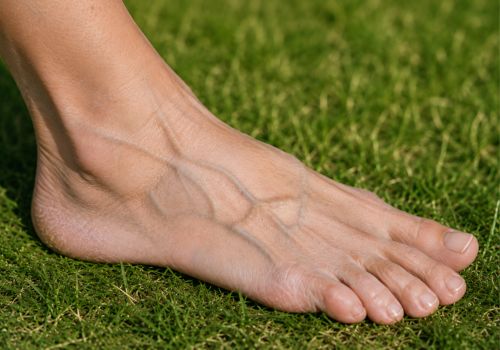
The same decline in estrogen also affects other connective tissues throughout the body, which is why many women notice changes such as thinner skin, more visible veins, dry heels, and other signs of aging feet during midlife.
This rapid loss puts postmenopausal women at a significantly higher risk of developing Osteoporosis compared to men or younger women. Although osteoporosis is often associated with women, it can also affect men, particularly as they age and experience hormonal changes such as andropause.
That’s one of the reasons some men take collagen supplements — to help support bone strength and density as they get older.
Beyond Hormones: Other Key Causes & Risk Factors

Beyond the hormonal shift of menopause, several other factors contribute to osteoporosis:
– Age:
As we age, our bones naturally become less dense.
– Genetics:
A family history of Osteoporosis or hip fractures increases your risk.
– Race and Ethnicity
Osteoporosis affects women and men of all races and ethnic groups. However, it is most common in non-Hispanic white women and Asian women.
African American and Hispanic women have a lower risk of developing osteoporosis, but they are still at significant risk. Among men, osteoporosis is more common in non-Hispanic whites.
– Low Calcium & Vitamin D Intake:
These essential nutrients are the building blocks of bone. Insufficient intake over a lifetime significantly impacts bone density.
– Lack of Weight-Bearing Exercise:
Bones respond to stress. Activities that put weight on your bones (like walking, running, dancing, weightlifting) help them stay strong.
– Lifestyle Choices:
- Smoking: Directly linked to decreased bone density.
- Excessive Alcohol Consumption: Can interfere with calcium absorption and bone formation, and increase fall risk.
- Low Body Weight/Eating Disorders: Being underweight can lead to lower estrogen levels and poor nutrient absorption
– Medical Conditions:
Thyroid or parathyroid disorders, certain gastrointestinal diseases (e.g., Celiac disease, Crohn’s disease), rheumatoid arthritis, lupus.
– Medications:
Long-term use of corticosteroids (e.g., prednisone), certain anti-seizure medications, some cancer treatments that reduce hormone levels.
Recognizing the Early Signs: Don’t Wait for a Fracture

Osteoporosis is typically “silent” in its early stages, meaning you won’t feel bone loss happening. Many people only discover they have OP after they experience a fracture. However, some subtle indicators might suggest bone loss is occurring:
- Receding Gums: Bone loss in the jaw can be an early sign.
- Decreased Grip Strength: Studies suggest a correlation between lower grip strength and bone density.
- Brittle Fingernails: While not exclusive to OP, persistently brittle nails can sometimes be an indicator of poor bone health.
- Loss of Height: A gradual loss of height (e.g., half an inch or more per year) can occur due to compression fractures in the spine.
- Changes in Posture: A stooped or hunched posture (“dowager’s hump”) can result from vertebral compression fractures.
- Sudden Back Pain: Especially if severe and unexplained by injury, it could signal a spinal compression fracture.
The Serious Side of Osteoporosis: Impact on Life, Pain & Prognosis

Yes, osteoporosis is a very serious condition, primarily because of the increased risk of fractures. While osteoporosis itself is not directly fatal, the complications arising from fractures, particularly hip fractures, can be life-threatening and severely impact quality of life.
Fracture Complications: Hip fractures, for instance, often lead to:
- Chronic Pain: Persistent pain can be debilitating.
- Loss of Independence: Many individuals, especially older adults, lose the ability to walk independently or perform daily tasks.
- Increased Mortality: Studies indicate that up to 20-30% of people who experience a hip fracture die within one year due to complications like pneumonia, blood clots, or other underlying medical conditions exacerbated by immobility.
- Reduced Quality of Life: Beyond hip fractures, vertebral (spinal) fractures can cause severe back pain, loss of height, and significant disability, leading to a poorer quality of life, depression, and social isolation.
Regarding life expectancy, while osteoporosis doesn’t directly cause death, it significantly increases the risk of mortality through fracture complications. Early diagnosis and consistent treatment can significantly improve prognosis and quality of life.
Research suggests that women diagnosed and treated for osteoporosis at age 50 can expect to live many more years, but the risk of severe complications and reduced independence remains if the condition is not well-managed.
What is Osteoporosis Pain Like?
In its early stages, osteoporosis is typically painless. The pain associated with OP usually arises when a bone breaks or fractures.
Spinal Compression Fractures:
This is the most common source of osteoporosis-related pain. It can feel like:
- Sudden, severe back pain that may worsen with standing or walking and improve when lying down.
- Pain that radiates to the sides or front of the body.
- Tenderness to touch along the spine.
Other Fractures:
Fractures in the hip, wrist, or other bones will cause acute, sharp pain localized to the injury site.
Chronic pain can also develop if compression fractures lead to spinal deformity (like kyphosis) or if multiple fractures occur, affecting posture and muscle strain.
Diagnosing Osteoporosis

The gold standard for diagnosing OP and osteopenia is a Bone Mineral Density (BMD) test, most commonly performed using a DEXA scan (Dual-energy X-ray Absorptiometry). This quick, painless scan measures bone density, typically at the hip and spine, as these are common sites for OP-related fractures. It provides a T-score, which compares your bone density to that of a healthy young adult.
While not diagnostic for OP, blood tests can help rule out secondary causes of bone loss (e.g., thyroid issues, vitamin D deficiency, calcium levels).
Who Needs a DEXA Scan?
- All women age 60-65 and older.
- Postmenopausal women younger than 65 with risk factors for OP.
- Any individual (male or female) who has experienced a fragility fracture.
- Individuals with medical conditions or taking medications that increase OP risk.
The 5 Stages of OP: From Normal to Advanced

While OP development is a continuous process, medical professionals sometimes categorize its progression into stages based on bone mineral density (BMD) and the presence of fractures, primarily using T-scores from a DEXA scan:
Stage 1 (Normal Bone Density):
T-score between +1 and -1. Bone breakdown and formation are generally balanced. No symptoms.
Stage 2 (Osteopenia):
T-score between -1.0 and -2.5. This is considered low bone mass or a precursor to OP. Bone loss is starting to outpace bone building. Still typically no symptoms, but increased fracture risk.
Stage 3 (Osteoporosis)
T-score of -2.5 or lower. This is when OP is officially diagnosed. Significant bone loss has occurred, and the risk of fragility fractures is high. Symptoms may still be absent until a fracture occurs.
Stage 4 (Severe Osteoporosis):
T-score of -2.5 or lower with at least one fragility fracture (e.g., a broken wrist from a minor fall). At this stage, symptoms like pain, height loss, or stooped posture become more likely due to past fractures.
Stage 5 (Advanced Osteoporosis):
This isn’t always officially listed as a separate stage but refers to individuals with very low BMD and/or multiple fractures, often leading to severe disability and increased dependence.
Taking Action: Stopping OP Progression & Effective Treatments
While OP cannot be fully cured or reversed, it can absolutely be managed effectively to slow down bone loss, reduce fracture risk, and improve quality of life.
The “best” treatment is highly individualized and depends on your specific health profile, severity of OP, and fracture risk, including whether hormone therapy is appropriate for you.
The Cleveland Clinic’s treatment options for OP typically involve a combination of lifestyle modifications and medications:
Your Lifestyle Foundation: Nutrition, Movement & Fall Prevention

While medical treatments play a vital role in managing osteoporosis, the foundation of strong bones truly begins with your daily habits. Embracing healthy lifestyle choices is a powerful and proactive way to support bone density, slow the condition’s progression, and significantly reduce your risk of fractures.
– Calcium & Vitamin D Intake:
Ensure adequate intake through diet (dairy, leafy greens, fortified foods) and/or supplements as recommended by your doctor. Vitamin D is essential for calcium absorption.
Research consistently shows that sufficient calcium and vitamin D intake supports bone health and reduces fracture risk, especially when combined with other strategies.
– Weight-Bearing & Muscle-Strengthening Exercise:

- Weight-bearing: Activities like walking, jogging, dancing, hiking, stair climbing, and playing tennis help build and maintain bone density.
- Muscle-strengthening: Using weights, resistance bands, or bodyweight exercises (e.g., squats, push-ups) builds muscle that supports bones and improves balance. Medical guidelines strongly recommend regular weight-bearing exercise to stimulate bone growth and reduce fall risk.
If finding time to exercise is one of your biggest challenges, encouraging new research suggests that completing the same total amount of weekly exercise in one longer session may provide similar improvements in body composition and fitness as spreading it across three shorter workouts.
– Balanced Diet
A nutritious diet rich in fruits, vegetables, and lean protein supports overall health, including bone health.
– Avoid Smoking & Limit Alcohol:
These habits are detrimental to bone density and increase fracture risk.
– Fall Prevention
For those at risk, assess your home for hazards, ensure good lighting, use assistive devices if needed, and discuss medication side effects (like dizziness) with your doctor. Balance exercises (e.g., Tai Chi) can also be beneficial.
Medication Options: Protecting & Building Stronger Bones

These medications work by slowing bone breakdown or by building new bone. The “best” choice is highly individualized and determined in consultation with your doctor.
1. Bisphosphonates (e.g., Alendronate, Risedronate, Zoledronic Acid)
How they work: Often the first-line treatment for most people with OP, they primarily slow down bone resorption (breakdown), allowing bone-building cells to work more effectively.
Forms: Oral pills (daily, weekly, monthly) or intravenous infusions (yearly).
Pros:
- Often considered the first-line treatment for most people with OP.
- Proven to significantly reduce the risk of hip, spine, and other non-vertebral fractures in numerous studies.
- Available in various forms (daily, weekly, monthly pills; yearly intravenous infusions) offering flexibility.
- Some long-lasting effects even after treatment is stopped (known as a “drug holiday”).
Cons:
- Oral forms: Can cause gastrointestinal issues like heartburn, irritation of the esophagus (must be taken with a full glass of water, on an empty stomach, and remain upright for 30-60 minutes).
- Intravenous forms: May cause flu-like symptoms after the first injection.
- Rare, but serious side effects: Atypical femur fractures (unusual thigh bone fractures) and osteonecrosis of the jaw (ONJ), though these are extremely rare and the benefits typically outweigh the risks.
2. Denosumab (e.g., Prolia)
How it works: This is a monoclonal antibody that inhibits a protein crucial for bone breakdown. It is effective for those who can’t take bisphosphonates or have severe OP.
Forms: Injection given every six months.
Pros:
- Highly effective at preventing bone loss and reducing fracture risk.
- Convenient: administered as a subcutaneous injection every six months by a healthcare professional.
- Often an option for those who cannot take bisphosphonates or have severe OP.
- Risk of rare side effects (like ONJ and atypical femur fractures) may not increase with time as much as with bisphosphonates.
Cons:
- Requires consistent, on-schedule injections; stopping suddenly can lead to a rapid loss of bone density and an increased risk of multiple vertebral fractures.
- Can cause low blood calcium (hypocalcemia), requiring calcium and vitamin D monitoring and supplementation.
- Rare side effects include serious infections, ONJ, and atypical femur fractures.
3. Hormone Therapy (HT/HRT) (Estrogen, sometimes combined with progestogen)
How it works: Estrogen helps maintain bone density, especially when started soon after menopause, by reducing bone turnover. HRT is primarily considered for women seeking relief from menopausal symptoms, but also offers significant bone protection. Its use for bone health alone is usually considered for women with high fracture risk who cannot take other OP medications.
Forms: Oral pills, patches, gels, sprays.
Pros:
- Very effective at maintaining bone density and reducing fracture risk, particularly when initiated close to menopause.
- Offers additional benefits of relieving menopausal symptoms (e.g., hot flashes, night sweats, vaginal dryness).
- Available in various forms (oral pills, patches, gels, sprays).
Cons:
- Risks (vary by type, dose, and duration): Can carry a small increased risk of blood clots, stroke (especially with oral forms), and certain cancers (e.g., breast cancer with combined estrogen-progestogen therapy, though risks are low, especially if started before age 60).
- Not primarily used solely for bone health if other OP medications are suitable, but is an excellent dual-purpose option for those with menopausal symptoms.
4. Raloxifene (e.g., Evista)
How it works: This is a Selective Estrogen Receptor Modulator (SERM) that mimics estrogen’s beneficial effects on bone density in some tissues while blocking its effects in others (like breast tissue). It can also reduce the risk of invasive breast cancer in high-risk women.
Forms: Oral pill.
Pros:
- Helps increase bone density and effectively reduces the risk of vertebral (spinal) fractures.
- Offers an additional benefit: it can reduce the risk of invasive breast cancer in certain high-risk postmenopausal women.
- Does not increase the risk of uterine (endometrial) cancer.
Cons:
- May cause or worsen hot flashes and leg cramps.
- Increases the risk of blood clots (similar to oral HRT) and stroke, making it unsuitable for women with a history of these conditions.
- Less effective at preventing non-vertebral fractures (e.g., hip fractures) compared to bisphosphonates or denosumab.
5. Bone-Building (Anabolic) Medications (e.g., Teriparatide, Abaloparatide, Romosozumab)
How they work: They directly stimulate the formation of new bone, significantly increasing bone mineral density. These medications are typically reserved for severe OP, very high fracture risk, or when other treatments haven’t been effective. These are usually used for a limited time (1-2 years) followed by an anti-resorptive medication to maintain bone gains.
Forms: These medications are administered as a daily subcutaneous injection. They often come in a pre-filled pen device, similar to an insulin pen, for self-administration. Romosozumab (e.g., Evenity) is administered as two subcutaneous injections once a month. These are typically given by a healthcare professional, though in some cases, patients or caregivers may be trained for administration at home.
Pros:
- The most potent medications for building new bone, leading to rapid increases in bone density.
- Highly effective at reducing the risk of both vertebral and non-vertebral fractures.
- Often reserved for severe OP or individuals at very high risk of fractures, or those who haven’t responded to other treatments.
Cons:
- Administered via daily injections (Teriparatide, Abaloparatide) or monthly injections (Romosozumab), which some individuals find less convenient.
- Treatment is typically limited to 1-2 years, after which another anti-resorptive medication (like a bisphosphonate or denosumab) is needed to maintain the new bone gains.
- Can cause side effects such as dizziness, leg cramps, or elevated calcium levels.
- Romosozumab carries a potential (though small) increased risk of cardiovascular events, leading to a caution in its use for those with recent heart attack or stroke.
- Concerns about osteosarcoma (bone cancer) were noted in initial animal studies with Teriparatide, but this has not been borne out in human studies to date.
Your Proactive Bone Health Journey

Understanding OP is the first step in protecting your bone health. For women over 40, especially those in perimenopause and menopause, proactive steps are paramount. Don’t wait for a fracture to find out you have OP.
Key Takeaways:
Awareness is Power! Recognize your risk factors and the silent nature of OP.
Get Tested! Discuss bone density screening with your doctor, especially if you’re over 65 or have risk factors.
Lifestyle Matters! Prioritize calcium, vitamin D, and weight-bearing exercise.
Talk to Your Doctor! If you’re experiencing menopausal symptoms or are concerned about your bone health, speak to a healthcare professional. They can provide personalized advice, assess your fracture risk, and discuss the most appropriate prevention and treatment strategies for your unique needs.
Final Thought
By taking informed action, you can strengthen your bones, reduce your risk of fractures, and ensure a healthier, more active future.
Your bone health is a vital component of your overall well-being and active future. Don’t let osteoporosis remain a silent threat; by embracing knowledge and proactive lifestyle choices in partnership with your healthcare provider, you can build a more resilient foundation for the years ahead.
Don’t wait for a fracture to discover the strength of your bones. Learn the signs, understand the risks, and take proactive steps to protect your skeletal health—because strong bones mean a stronger, more confident you.
Your Osteoporosis Questions Answered
Navigating the complexities of osteoporosis can bring up many questions. Here are answers to some common inquiries about this important bone health condition:
What is the Mortality Rate for Osteoporosis
Osteoporosis itself does not have a direct mortality rate; it’s not a fatal disease on its own. However, its complications, particularly fractures, significantly increase the risk of mortality. Studies show that hip fractures, a common consequence of OP, can lead to a 20-30% mortality rate within one year due to complications like pneumonia, blood clots, or other underlying medical conditions exacerbated by immobility.
How Quickly does Osteoporosis get Worse?
The rate at which OP progresses varies greatly among individuals. For women, bone loss significantly accelerates after menopause, often at a rate of 1-3% of total bone mass per year for the first 5-10 years due to the sharp drop in estrogen. Beyond this rapid phase, or for other causes, bone loss generally continues at a slower, more gradual pace. OP is often called the “silent thief” because it progresses without noticeable symptoms until a fracture occurs.
At what age do you start treating or prevent osteoporosis?
Preventing osteoporosis (OP) is a lifelong effort that ideally begins in childhood, when your bones build their maximum strength. Throughout adulthood, especially for women in their 40s and beyond, continued focus on calcium, vitamin D, and weight-bearing exercise is crucial to slow natural bone loss.
As for treating OP, there is no set age. Treatment typically starts when OP is diagnosed or when an individual has a high risk of fracture. This decision is always personalized by a healthcare provider based on your specific health profile.
At what age do you stop treating osteoporosis?
There is no specific age at which OP treatment automatically stops. Decisions about when to start, continue, or modify OP treatment are highly individualized and depend on your ongoing fracture risk, the severity of your OP, your response to medication, and your overall health. For many individuals, managing OP is a long-term commitment that requires regular review and discussion with your healthcare provider.
Can you fully recover from osteoporosis?
Unfortunately, OP cannot be fully cured or completely reversed in the sense of returning bones to their peak strength from youth. However, it can be very effectively managed to slow down bone loss, stabilize or even increase bone density, significantly reduce your risk of fractures, and improve your overall quality of life. The goal of treatment is to prevent further bone deterioration and strengthen existing bone as much as possible.
Is Walking good for Osteoporosis?
Yes, walking is very good for OP! It’s a fantastic example of a weight-bearing exercise, meaning it puts stress on your bones, which stimulates them to stay strong and helps maintain bone density. Regular weight-bearing activities, including walking, jogging, dancing, and stair climbing, are a crucial part of both preventing OP and managing its progression.
What is the End Result of Osteoporosis?
If OP is left untreated or poorly managed, the end result is severe bone fragility leading to an increased risk of debilitating fractures, particularly in the spine, hip, and wrist. These fractures can result in chronic pain, significant loss of height, a stooped posture, reduced mobility, loss of independence, and a diminished quality of life. In severe cases, complications from fractures, especially hip fractures, can unfortunately lead to increased mortality. Proactive management aims to prevent these severe outcomes.
Related Lillepin Research
P1-054 — Scientists Discover a Surprising Connection Between Your Bones and Your Brain
A 2026 Biomolecules review explores the emerging bone-brain axis, suggesting that bone health and brain function may be connected through hormones, inflammation, immune signaling, neurotransmitters, and stress-related pathways.
→ Read the full article Scientists Discover a Surprising Connection Between Your Bones and Your Brain