10 Natural Ways to Boost Your Immune System for Women Over 40
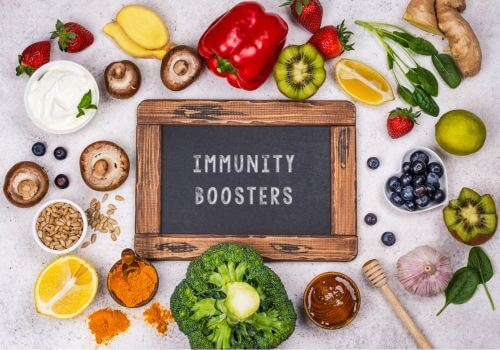
After 40, you experience the many changes your body goes through in midlife. Many of these shifts show up as subtle or unexpected menopause symptoms, which can affect everything from immunity to energy levels.
Your immune system can start to slow down a little. We might notice that we get sick more often, or that it takes longer to bounce back from illnesses. But don’t worry, ladies, – this is perfectly normal! While we can’t stop the clock on aging, we can boost our immune systems naturally and stay strong and healthy as we age.
A healthy immune system is essential for fighting off infections, maintaining energy levels, and promoting overall well-being. What’s often overlooked is that your immune system is closely connected to how your nervous system responds to stress — something that becomes even more important during menopause.
Luckily, there are plenty of simple, natural ways to give your immune system the support it needs. So, if you’re looking for a way to keep your immune system in tip-top shape (without turning to synthetic supplements), we’ve got you covered. These 10 immune-boosting tips are tailored specifically for women over 40, with an emphasis on things you can start doing today.
1. Load Up on Immune-Boosting Foods
What you eat plays a huge role in how well your immune system functions during menopause — and in supporting metabolic health, including insulin resistance.
Nutrient-dense foods provide essential vitamins and minerals that support immune health. So, if you want to stay healthy, focus on a colorful plate!
Foods to include:
Adding nutrient-dense foods like flaxseeds can be especially beneficial during menopause.
Citrus fruits: Packed with vitamin C, citrus fruits like oranges, grapefruits, and lemons help increase the production of white blood cells, which fight off infections.
Leafy greens: Spinach, kale, and broccoli are rich in antioxidants, which protect your cells from damage and support immune function.
Garlic and ginger: These superfoods are known for their anti-inflammatory and antimicrobial properties, making them excellent immune boosters.
Berries: Blueberries, strawberries, and blackberries are full of vitamins, antioxidants, and fiber – all of which keep your immune system strong and resilient.
2. Prioritize Sleep (Yes, It’s That Important)

We all know how easy it is to sacrifice sleep in favor of productivity, but quality sleep is essential for immune health. When we sleep, our bodies work to repair and regenerate, including strengthening our immune systems.
Aim for 7-9 hours of sleep each night. This will give your body enough time to rest and recharge, allowing your immune system to function at its best. If you find it hard to fall asleep, especially during menopause, consider a relaxing bedtime routine (think warm herbal tea, a calming bath, or reading a good book).
3. Stay Hydrated

Water is life, right? But it’s also essential for your immune system. Staying hydrated helps your body flush out toxins, maintain healthy mucous membranes (your body’s first line of defense), and support overall cellular function.
Hormonal changes during menopause can also affect the protective tissues inside the mouth, which is why some women notice dry mouth or increased gum sensitivity during midlife.
Proper hydration also plays a role in maintaining stable energy and metabolism, especially during midlife.
If plain water isn’t your thing, try infusing it with fruits like lemon, cucumber, or mint for a refreshing twist. Aim to drink 8 cups of water per day to keep your immune system in tip-top shape.
4. Get Moving (But Don’t Overdo It)

Exercise is a powerful tool for maintaining a strong immune system. Regular physical activity has been shown to boost immune function by promoting better circulation, reducing stress, and enhancing overall energy levels. However, don’t go overboard—too much intense exercise can actually suppress your immune system.
Aim for moderate-intensity exercise like brisk walking, swimming, or yoga, for at least 30 minutes a day. Your body will thank you, and your immune system will be better equipped to fight off any invaders.
5. Manage Stress Like a Pro

Chronic stress is like a bad roommate – it never leaves and wreaks havoc on your immune system. Long-term stress can suppress the production of white blood cells and make you more susceptible to illness. So, it’s important to find ways to manage stress effectively.
Practice mindfulness: Meditation, deep breathing, and yoga are all great stress-relief techniques.
Take breaks: Whether it’s a quick walk around the block or a 5-minute breathing exercise, give yourself permission to step away from stressors throughout the day.
Connect with others: Social connections and laughter are great for relieving stress and boosting mood.
Bonus Tip: Stimulate Your Vagus Nerve for Immunity & Calm
One powerful, often-overlooked way to reduce stress and support your immune system is by activating your vagus nerve. This long nerve runs from your brainstem to your gut and helps regulate your parasympathetic nervous system, your body’s “rest and repair” mode.
When your vagus nerve is activated, it can lower stress hormones like cortisol, improve digestion, and boost immune function. These small practices send signals to your body that you’re safe, calm, and ready to heal, which is exactly what your immune system needs to thrive.
6. Add Probiotics to Your Diet

Did you know that a large part of your immune system lives in your gut? It’s true! Your gut contains billions of beneficial bacteria that help regulate immune responses and protect against infections.
To support your gut health:
- Eat fermented foods like yogurt, kefir, kimchi, and sauerkraut, which are rich in probiotics.
- Consider adding a high-quality probiotic supplement if you feel your gut health needs extra support.
7. Boost Vitamin D Levels
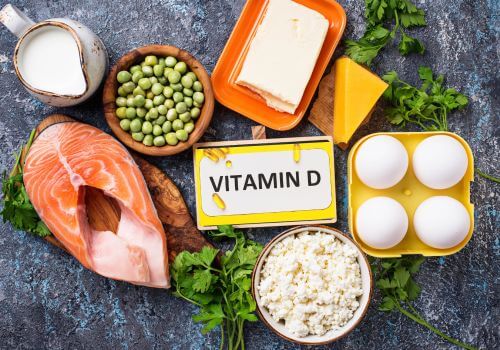
Vitamin D plays a crucial role in regulating the immune system. Many people, especially women over 40, can become deficient in vitamin D, particularly if they live in areas with little sunlight or spend most of their time indoors.
To naturally boost your vitamin D:
- Get outside: Aim for at least 15 minutes of sunlight exposure per day.
- Eat foods rich in vitamin D, like fatty fish (salmon, mackerel), fortified dairy products, or eggs.
If you’re concerned about your vitamin D levels, it’s always a good idea to get a blood test and talk to your healthcare provider about vitamin D supplementation.
8. Don’t Skip Your Daily Dose of Antioxidants
Antioxidants help fight free radicals, which can damage your cells and weaken your immune system. Women over 40, in particular, may find that antioxidants help protect against age-related immune decline.
Fruits Packed with Antioxidants
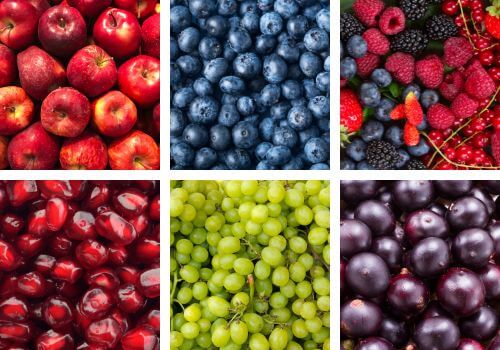
- Blueberries: Rich in anthocyanins, these berries are well-known for their powerful antioxidant properties.
- Strawberries: High in vitamin C and polyphenols, which fight oxidative stress.
- Pomegranates: Loaded with polyphenols that reduce inflammation and enhance heart health.
- Apples: Contain flavonoids that help protect your cells from oxidative damage.
- Grapes: Rich in resveratrol, a potent antioxidant found in red and purple grapes.
- Acai Berries: These tiny, nutrient-dense berries are high in anthocyanins and antioxidants.
Vegetables High in Antioxidants
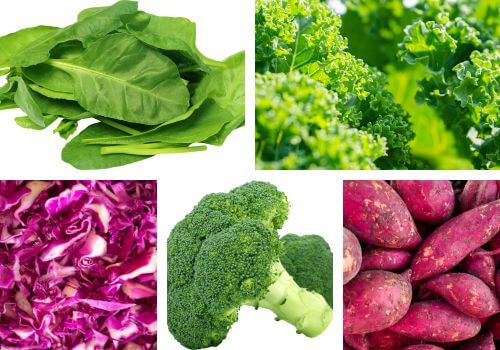
- Spinach: Loaded with vitamin C and beta-carotene, which have strong antioxidant effects.
- Kale: Rich in vitamin C, flavonoids, and beta-carotene to protect against free radicals.
- Broccoli: Packed with sulforaphane, a unique antioxidant that supports the body’s detox process.
- Red Cabbage: High in anthocyanins, which provide anti-inflammatory benefits.
- Sweet Potatoes: A great source of beta-carotene, supporting eye health and immune function.
Nuts and Seeds Rich in Antioxidants
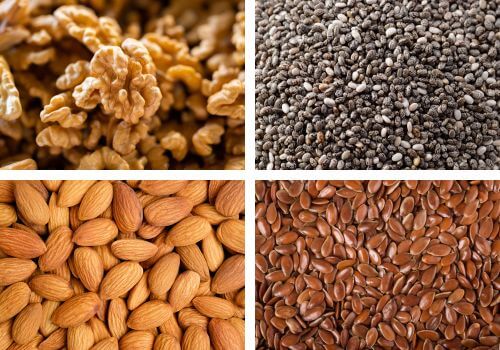
- Walnuts: These are a great source of vitamin E and polyphenols, helping to reduce oxidative stress.
- Almonds: Contain vitamin E, a powerful antioxidant that supports healthy skin.
- Chia Seeds: Rich in omega-3 fatty acids and polyphenols that combat inflammation and oxidative damage.
- Flaxseeds: Packed with lignans, antioxidants that promote cardiovascular health.
Spices and Herbs with Antioxidant Benefits
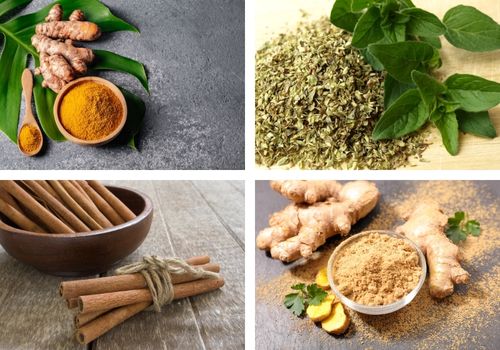
- Turmeric: Contains curcumin, a potent antioxidant that reduces inflammation and supports brain health.
- Cinnamon: High in polyphenols, this spice helps combat oxidative stress.
- Ginger: Contains gingerol, an antioxidant known for its anti-inflammatory properties.
- Oregano: Rich in flavonoids and polyphenols, which protect against cellular damage.
Legumes and Beans Packed with Antioxidants
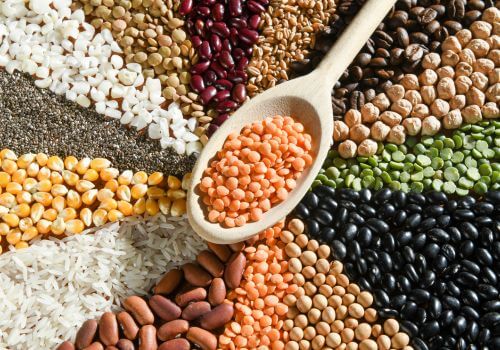
- Kidney Beans: Rich in anthocyanins, antioxidants that promote heart health and reduce inflammation.
- Black Beans: Loaded with flavonoids that support immune function and protect cells from oxidative damage.
- Lentils: Contain antioxidants like flavonoids and phenolic compounds that support digestive health.
Whole Grains with Antioxidant Properties
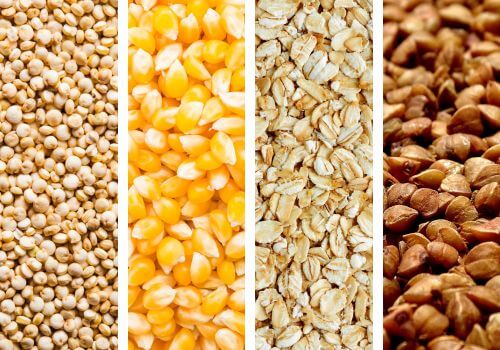
- Quinoa: A powerhouse of flavonoids and polyphenols, which protect against oxidative stress.
- Oats: Rich in avenanthramides, antioxidants that offer anti-inflammatory benefits.
- Buckwheat: Helps to keep blood vessels strong because it contains rutin, an antioxidant that may also help to protect against certain diseases.
- Corn: Corn is a rich source of antioxidants like carotenoids, including lutein and zeaxanthin, which help protect the eyes from oxidative stress and support overall eye health.
Beverages Rich in Antioxidants
- Green Tea: High in catechins, which are antioxidants that help support cardiovascular health and reduce the risk of chronic diseases.
- Black Tea: Contains theaflavins, potent antioxidants that improve heart health and help with weight management.
- Coffee: A surprising source of antioxidants, including chlorogenic acids, which promote anti-inflammatory effects.
Dark Chocolate: A Delicious Source of Antioxidants
Dark Chocolate (70% cocoa or higher): Full of flavonoids like epicatechins, which support heart health and enhance brain function.
9. Take Herbal Supplements (With Caution)
Certain herbs have been shown to support immune health and improve resistance to illness. Some herbs, like adaptogens, can also support the body’s stress response during menopause.Here are a few to consider:
- Echinacea: Known for its ability to shorten the duration of colds and respiratory infections.
- Elderberry: Often used to boost immunity during cold and flu season.
- Astragalus: A traditional herb used to strengthen the immune system.
Before adding any new supplements to your routine, be sure to talk with your healthcare provider before starting any new supplements to make sure they’re safe and appropriate for your needs.
10. Laugh More, Worry Less

It sounds simple, but laughter really is the best medicine. Studies show that laughter helps reduce stress, improve circulation, and even boost immune function. Plus, it just feels good!
So, whether it’s watching a comedy show, hanging out with friends, or telling jokes with your family, make sure to schedule in some laughter every day. Your immune system (and your mood) will thank you.
Final Thoughts: A Holistic Approach to Immune Health

As women over 40, we know that health isn’t just about preventing illness; it’s about supporting your body as it changes. By incorporating these 10 natural ways to boost your immune system into your daily routine, you’ll feel more energized, resilient, and prepared to handle whatever life throws your way.
So, whether you’re cooking up some garlic and ginger tea, doing a few sun salutations, or just taking a moment to laugh with a friend, remember that a healthy immune system is a holistic effort. Embrace these small, natural changes, and you’ll soon notice a stronger, more vibrant you.
What’s your favorite way to boost your immune system? Share your tips in the comments below!
Ready to Discover More Calm?
Discover natural techniques to soothe your nervous system, reduce anxiety, and find inner peace during menopause. Your essential guide is just a click away!

Related Lillepin Research
P1-054 — Scientists Discover a Surprising Connection Between Your Bones and Your Brain
A 2026 Biomolecules review explores the emerging bone-brain axis, suggesting that bone health and brain function may be connected through hormones, inflammation, immune signaling, neurotransmitters, and stress-related pathways.
→ Read the full article Scientists Discover a Surprising Connection Between Your Bones and Your Brain
P2-0120 — Can Eating Yogurt Help Lower Your Risk of Colorectal Cancer? Research suggests that regular yogurt consumption may support health by influencing the gut microbiome, although the evidence is still evolving. → Read the full article: Can Eating Yogurt Help Lower Your Risk of Colorectal Cancer?