Flaxseeds for Menopause Symptoms: A Comprehensive Guide
Menopause is a significant transition, and while it brings new chapters to a woman’s life, it also often ushers in a range of physical and emotional challenges. Hot flashes, night sweats, mood swings, and sleep disturbances are just a few symptoms that many women face. Luckily, nature has provided us with several powerful remedies to help manage these changes, and one of the most popular and well-researched options is flaxseeds.
Flaxseeds may seem small, but they pack a punch when it comes to supporting hormonal balance during menopause, digestive health, and overall wellness. In this comprehensive guide, we’ll explore how flaxseeds can help alleviate menopause symptoms, how they work, potential side effects, and everything else you need to know before adding them to your daily routine.
What Are Flaxseeds?
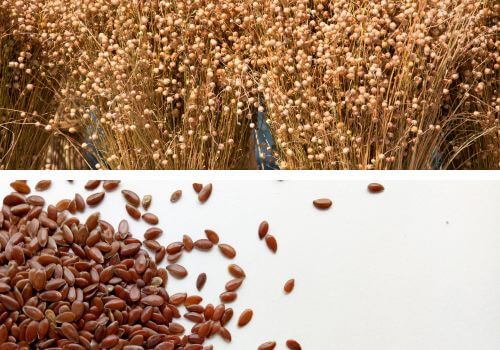
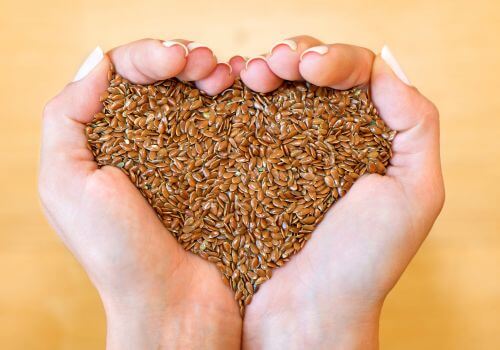
Flaxseeds are the seeds of the flax plant (Linum usitatissimum), an ancient plant that has been cultivated for thousands of years for its fiber, oil, and medicinal properties. These tiny brown or golden seeds are often called “superfoods” because they are packed with essential nutrients, including omega-3 fatty acids, fiber, lignans, and proteins.
Flaxseeds have become especially popular in recent years for their potential health benefits, particularly for women during menopause. The seeds are known for their high concentration of lignans, which are a type of plant compound that has estrogen-like properties, making them an excellent choice for supporting hormone balance during menopause.
Where Do Flaxseeds Grow?

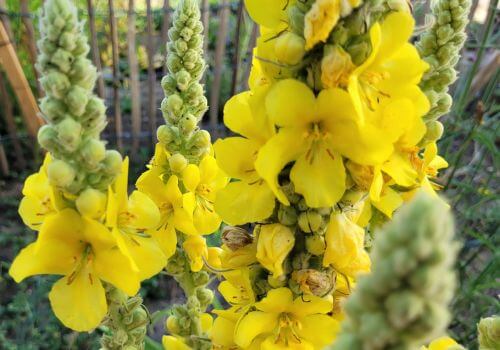
Flaxseeds are grown from the flax plant, which is native to regions of the Mediterranean, Central Asia, and parts of North America. Flax plants thrive in cool climates and well-drained, loamy soil. The plant itself produces bright blue flowers, which eventually give way to small, oval-shaped seeds.
Uses of Flax Seeds and Plants
Flax seeds have long been used in food, supplements, and oil, offering numerous health benefits. The plant’s fibers are utilized to create cloth, rope, and paper. Flax’s true blue flowers yield a vibrant blue dye for fabric, and when boiled, the flowers produce a range of colors, from tan to apricot.
Today, flaxseeds are cultivated worldwide, with major production in countries like Canada, China, India, and the United States. The seeds are harvested once the flax plant matures and the seeds turn a golden or brown color.
How Do Flaxseeds Work for Menopause?
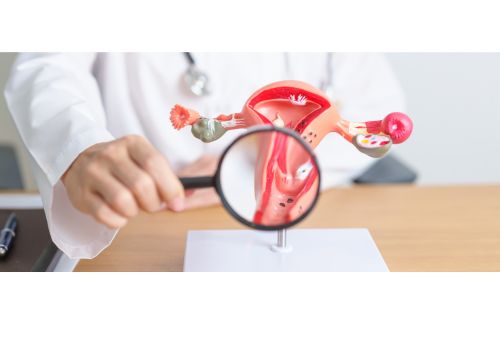
The magic of flaxseeds lies primarily in their high content of lignans – phytoestrogens, or plant-based compounds that have a similar structure to estrogen. As estrogen levels fluctuate and decline during menopause, many women experience symptoms related to this imbalance, such as hot flashes, vaginal dryness, mood swings, and bone density loss.
The phytoestrogens in flaxseeds may help by gently mimicking estrogen’s effects in the body. This can help stabilize estrogen levels and ease some of the common discomforts of menopause. Additionally, flaxseeds are rich in omega-3 fatty acids, which have anti-inflammatory properties and may support heart health—another important consideration during menopause, as women are at an increased risk of cardiovascular disease after menopause.
Flaxseeds also contain a significant amount of fiber, which aids in digestion, helps regulate blood sugar, and supports weight management – issues that many women face as they transition through menopause.
Potential Benefits of Flaxseeds for Menopause Symptoms

Flaxseeds are often touted as a natural remedy for a wide range of menopause symptoms. Here’s how they may help:
1. Hot Flashes and Night Sweats:
Hot flashes and night sweats are two of the most common (and most annoying) symptoms of menopause. The phytoestrogens in flaxseeds may help reduce the frequency and intensity of these symptoms by balancing hormone levels. Several studies have suggested that flaxseeds can help regulate body temperature and alleviate the severity of hot flashes and night sweats.
2. Hormonal Balance:
As estrogen levels decline during menopause, women may experience a wide variety of symptoms, from mood swings to vaginal dryness. The lignans in flaxseeds act as mild phytoestrogens, helping to balance estrogen levels naturally. By mimicking the action of estrogen, flaxseeds can help reduce hormonal fluctuations and ease many of the discomforts that accompany menopause.
3. Mood Support:

Mood swings, irritability, and even anxiety or depression are common during menopause, often due to hormonal imbalances. The omega-3 fatty acids in flaxseeds are known for their mood-stabilizing properties. Omega-3s can help support brain function and improve mood, potentially reducing symptoms of anxiety or depression during menopause.
4. Bone Health:
The decline in estrogen during menopause can lead to a loss of bone density, increasing the risk of osteoporosis. Flaxseeds contain omega-3 fatty acids and lignans, both of which have been linked to better bone health. By supporting estrogen balance and reducing inflammation, flaxseeds may help slow down bone loss and protect against osteoporosis.
5. Vaginal Dryness:

Many women experience vaginal dryness during menopause due to the drop in estrogen. Flaxseeds may help alleviate this discomfort thanks to their phytoestrogenic properties, which can act similarly to estrogen in the body. This may help improve vaginal lubrication and reduce the discomfort associated with vaginal dryness.
6. Digestive Health:
Flaxseeds are high in both soluble and insoluble fiber, making them excellent for digestive health. During menopause, some women experience bloating, constipation, or other digestive issues. The fiber in flaxseeds can help regulate bowel movements, reduce bloating, and improve overall digestion. Plus, the healthy fats in flaxseeds can help keep your digestive system functioning smoothly.
7. Heart Health:

Women are at an increased risk of heart disease after menopause, partly due to the drop in estrogen. Flaxseeds’ high content of omega-3 fatty acids and fiber can help improve heart health by reducing inflammation, improving cholesterol levels, and promoting healthy blood pressure.
Adding flaxseeds to your diet may help support cardiovascular health during this important stage of life.
8. Weight Management:
Flaxseeds can help with weight management, which can be particularly challenging during menopause. The fiber content in flaxseeds helps promote feelings of fullness, reducing the likelihood of overeating. Additionally, the omega-3s in flaxseeds may help improve fat metabolism and regulate blood sugar levels, which can prevent the accumulation of excess belly fat.
Possible Side Effects of Flaxseeds
While flaxseeds are generally safe for most people when consumed in moderation, it’s important to be aware of potential side effects. Here are a few things to keep in mind:
1. Gastrointestinal Discomfort:
Flaxseeds are very high in fiber, which can cause digestive issues like bloating, gas, or diarrhea, especially when consumed in large amounts. If you’re new to flaxseeds, start with small amounts and gradually increase your intake to give your digestive system time to adjust.
2. Hormonal Sensitivity:
Flaxseeds contain phytoestrogens, which mimic the effects of estrogen in the body. While this can be beneficial for many women, those with estrogen-sensitive conditions, such as breast cancer or uterine fibroids, should consult their healthcare provider before consuming flaxseeds regularly.
3. Potential Interaction with Medications:
Flaxseeds may interact with certain medications, including blood thinners (such as warfarin) and medications for high blood pressure. The high fiber content can also interfere with the absorption of certain medications, so it’s important to space out the timing of flaxseed consumption and medications.
4. Allergic Reactions:
Though rare, some people may have an allergy to flaxseeds. Symptoms of an allergic reaction can include itching, rash, or swelling. If you experience any of these symptoms after consuming flaxseeds, discontinue use and seek medical attention.
How to Use Flaxseeds for Menopause Symptoms
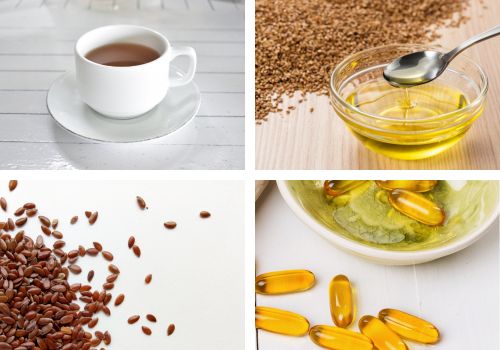
Flaxseeds are incredibly versatile and can be easily incorporated into your daily diet. Here are a few ways to include them:
Ground Flaxseeds:
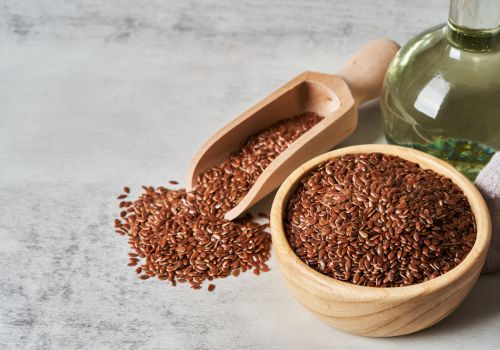
Whole flaxseeds can pass through the digestive system undigested, so it’s best to consume ground flaxseeds for optimal absorption of nutrients. You can easily add ground flaxseeds to smoothies, oatmeal, yogurt, or baked goods. The typical recommended dose is about 1-2 tablespoons per day.
Flaxseed Oil:
Flaxseed oil is a great source of omega-3 fatty acids, though it lacks the fiber and lignans found in the whole seeds. You can use flaxseed oil in smoothies, salad dressings, or drizzle it over vegetables. 1-2 teaspoons per day is a common recommendation, but it’s best not to cook with flaxseed oil, as it has a low smoke point.
Flaxseed Tea:
Flaxseed tea is another easy way to incorporate flaxseeds into your routine. To make flaxseed tea, steep 1 tablespoon of whole flaxseeds in hot water for about 10 minutes. You can strain the seeds out before drinking. The tea may help soothe the digestive system and improve hydration.
Flaxseed Supplements:
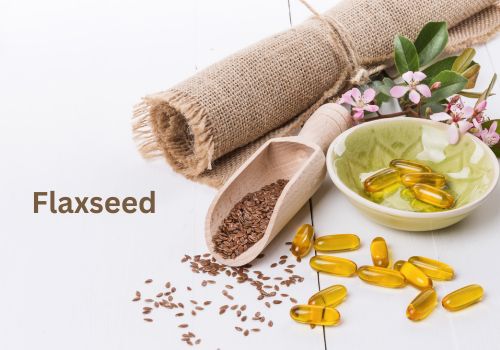
If you’re not a fan of the taste of flaxseeds, supplements are another option. These usually come in capsule or softgel form and can provide a convenient way to ensure you’re getting a consistent dose of flaxseed. Be sure to follow the dosage instructions on the product label.
Final Thoughts: Is Flaxseed Right for You?
Flaxseeds are a powerhouse of nutrients and may offer a variety of benefits for women experiencing menopause symptoms. From balancing hormones and easing hot flashes to supporting heart health and digestion, flaxseeds have the potential to make your menopausal transition a little smoother.
Important! As with any supplement, it’s important to consult with your healthcare provider before adding flaxseeds to your routine, especially if you have any hormone-sensitive conditions or are taking medications. If you’re looking for a natural, nutrient-rich way to manage menopause symptoms, flaxseeds could be a valuable addition to your daily diet.